Phenomena are the real-world happenings that grab students’ attention and usher them into passionate exploration. And just like last year, 2025 delivered a massive dose of wonder—from “Jurassic Park” style genetics to visitors from outside our solar system.
In this blog, we’ll share:
- 7 of the biggest phenomena of 2025 with related lesson suggestions. The majority of these phenomena can be adapted for grades 3–8 by adjusting the depth of data, vocabulary, and student explanations.
- A Free Downloadable: The Science News Connection Guide to help students analyze these texts.
1. The “De-Extinction” of Dire Wolf Traits
It sounds like science fiction, but in 2025, researchers explored ways to use CRISPR and ancient DNA to better understand extinct species like the dire wolf. Using advanced CRISPR gene-editing technology, scientists edited gray wolf DNA to include specific genetic variants identified from ancient dire wolf DNA, creating living wolves that express some dire-wolf-like traits. Their goal? To study how genes linked to traits like jaw strength and bone density evolved and how those adaptations may have helped ancient predators survive—or contributed to their extinction. While scientists have sequenced parts of ancient DNA and introduced selected variants into living animals, fully recreating all extinct traits in living organisms remains a developing frontier.

Photo from Colossal Biosciences/Official Website
Related Lessons
This phenomenon perfectly integrates with these Mosa Mack Units:
- Genetic Variation: Use this story to demonstrate how specific genes code for specific physical traits (like jaw strength) and how those traits can vary between populations.
- Mutations: Discuss how scientists are essentially “editing” the genetic code, similar to how mutations naturally alter DNA sequences over time.
- Evidence of Evolution: Connect the Dire Wolf’s DNA to modern wolves to show how we use genetic and fossil evidence to trace common ancestry and evolutionary changes.
2. Pig-to-Human Kidney Transplants Succeed
Addressing the global organ shortage, 2025 saw major progress in clinical trials for pig-to-human kidney transplants, bringing the field of “xenotransplantation” closer to practical use. By editing out certain sugars that trigger immune rejection, scientists have created genetically modified pig organs that show promising short-term results in human transplant trials.

Photo by Beyond. ScienceDaily
Related Lessons
This phenomenon perfectly integrates with these Mosa Mack Units:
- Interaction of Body Systems: See the organ shortage problem first-hand and learn how bioengineers are solving the problem.
- Cells: Explore how the “instructions” inside the nucleus of a pig cell were altered to change the proteins on the cell membrane, preventing the human body from attacking it.
3. AlphaFold 3 & AI-Designed Medicines
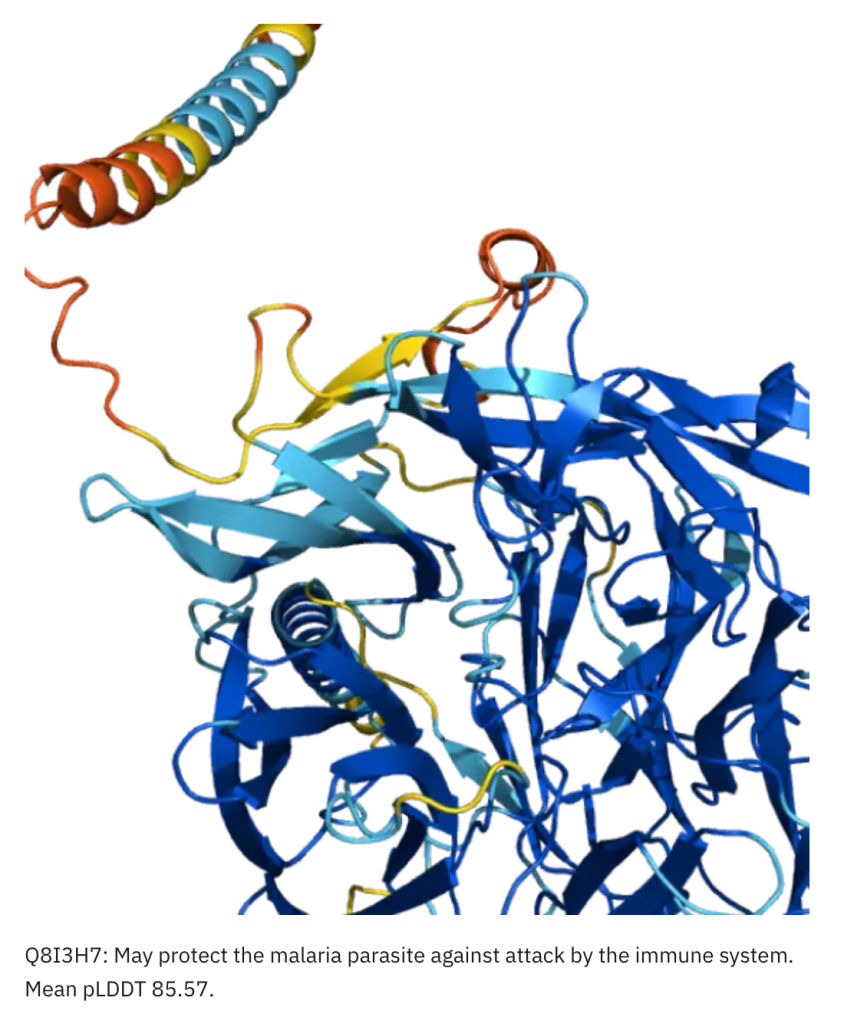
Biology met computer science in a big way this year. In 2025, Google’s AlphaFold 3 AI made landmark advances in predicting how complex molecules fold and interact—helping researchers design and test potential new medicines, including exploratory antibiotics. It helps scientists model biological molecules computationally—predicting how proteins might fold and interact before lab experiments are performed.
See it in these Lessons
- Atoms & Molecules: In each of the lessons in Mosa Mack’s unit, pull in this AI model to visualize how the specific arrangement of atoms determines a molecule’s structure and behavior.
- Genetic Variation: Pull in this unit to address how proteins are made
4. The “Oldest Ice” Reveals Ancient Climates
Scientists in Antarctica retrieved a remarkably old ice core, potentially over a million years old, that gives insight into Earth’s ancient atmospheres. This ‘time capsule’ contains tiny bubbles of ancient air that reveal past temperature and carbon dioxide levels, helping scientists compare ancient warm periods with today’s rapidly changing climate.

Photo Credit: Ted Scambos & Rob Bauer, NSIDC
Related Lessons
This phenomenon perfectly integrates with these Mosa Mack Units:
- Climate Change & Ecological Footprint: Use the data from the ice air bubbles to compare historic CO2 levels with modern measurements, providing concrete evidence of human impact.
- Rock Cycle & Earth’s History: Treat the ice core like sedimentary rock layers—teaching students how we use stratigraphy (layers of ice) to construct a timeline of Earth’s past.
5. River Restoration Wins (The Dam Removals)
In 2025, several major dam removal projects across the U.S. and Europe showed encouraging signs of river recovery. In some restored rivers, salmon and other fish were observed spawning in waters they hadn’t reached for generations. It is a powerful example of how quickly ecosystems can recover when human barriers are removed.
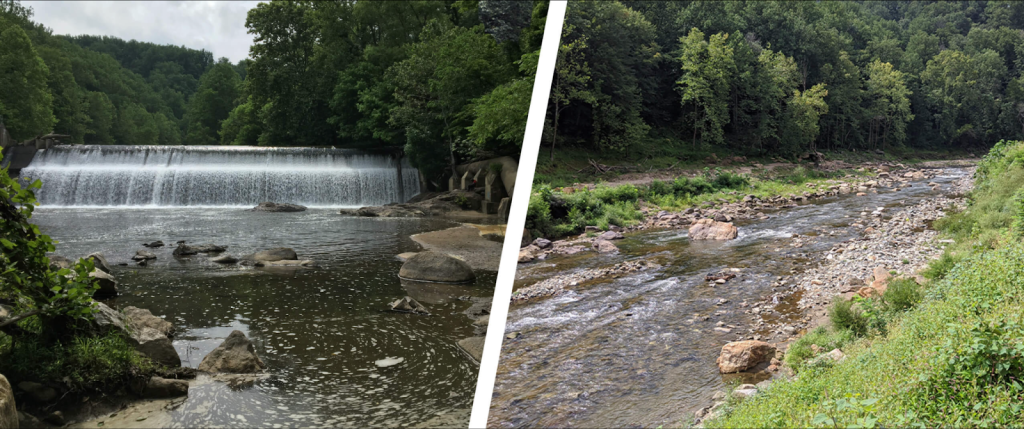
This phenomenon perfectly integrates with these Mosa Mack Units:
- Biodiversity: Show how removing a single barrier can lead to a boom in species variety, returning balance to the river ecosystem.
- Food Webs: trace the energy flow from the returning fish to the predators (bears, eagles) and even the trees that rely on nutrients from decomposing salmon.
- Interaction of Organisms: Discuss the re-emergence of competitive and predatory interactions that were previously impossible due to the physical barrier.
6. Interstellar Visitor: Comet 3I/ATLAS
Astronomers tracked a new interstellar object, Comet 3I/ATLAS, passing through our solar system. This visitor likely came from another star system, giving scientists a rare chance to study materials formed beyond our Sun. Early data suggest its composition may differ from most comets in our region, though studies continue.

Photo credit: NASA
Related Lessons
This phenomenon perfectly integrates with these Mosa Mack Units:
7. 6,000 Exoplanets Confirmed
By 2025, astronomers confirmed over 6,000 confirmed planets orbiting other stars—a major milestone in exploring worlds beyond our solar system. Data from the James Webb Space Telescope even revealed several ‘Super-Earths’ located in the habitable zone, where liquid water could exist under the right conditions.
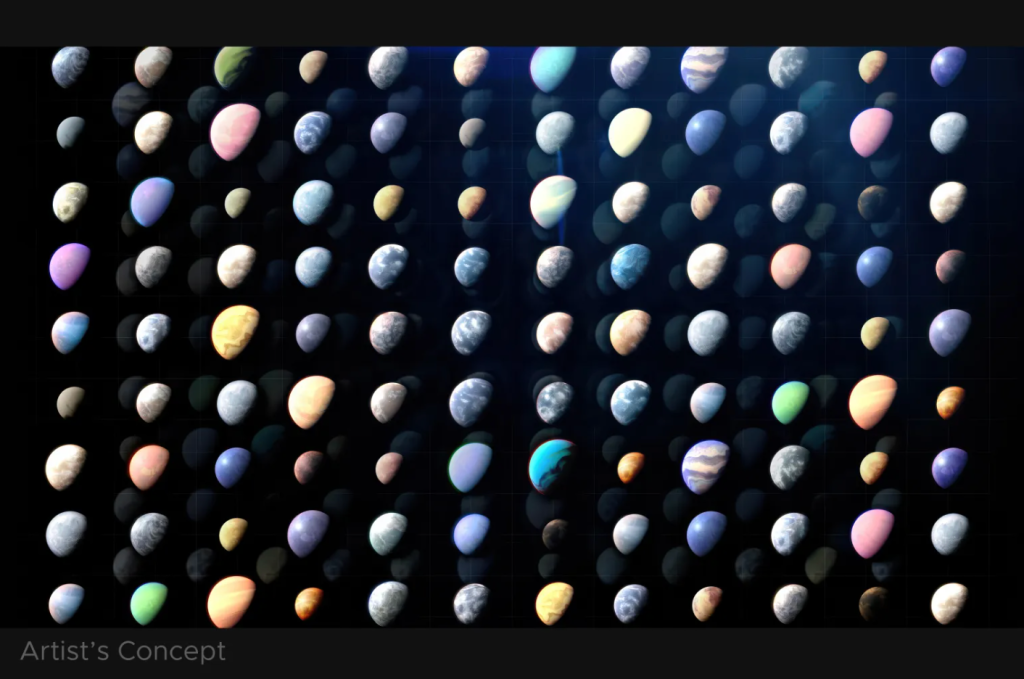
Photo credit: NASA
Related Lessons
This phenomenon perfectly integrates with these Mosa Mack Units:
Science News Resources
(note: some resources require subscription)
Keep your Students Current: Kid-Friendly Science News Websites
- Science News Explores
- Formerly Science News for Students, this site features age-appropriate articles on current scientific discoveries and trends. It includes classroom resources and activities.
- Dogo News
- A fantastic resource for students in grades 4-8, featuring engaging and accessible articles on current events in science, technology, and the environment. With quizzes, videos, and interactive tools, it’s perfect for classroom use. Teachers can assign articles, track student progress, and incorporate Lexile-leveled stories into lessons.
- National Geographic Kids
- Offers engaging articles, videos, and activities covering animals, space, environment, and more, all tailored for younger audiences.
- NASA STEM Engagement
- Features up-to-date space and astronomy news, along with hands-on activities and videos about current missions and discoveries.
- PBS LearningMedia Science
- A treasure trove of multimedia resources, including short videos, interactive content, and science news stories.
- Science Journal for Kids
- Simplifies peer-reviewed scientific research into accessible, kid-friendly articles with illustrations and glossaries.
General Science News Websites with Classroom Potential
- Live Science
- Provides engaging stories about recent scientific discoveries, with sections on Earth science, space, and health. The content is great for older middle schoolers.
- EarthSky
- Covers astronomy and Earth sciences with easy-to-digest articles and fascinating visuals.
- BBC Science News
- Offers current news about global scientific breakthroughs, suitable for older students with some teacher guidance.
- Smithsonian Magazine – Smart News Science
- Features well-written articles with historical and environmental science contexts. Great for sparking curiosity in older middle schoolers.
Apps and Interactive Platforms
- Exploratorium Science Snacks
- Interactive, hands-on activities connected to recent scientific discoveries, perfect for classroom integration.
Leave a Reply